




When Unsafe Becomes Normal: The Cultural Barrier Construction Can’t Ignore
Over the past few weeks, agricultural safety has been back in the spotlight.
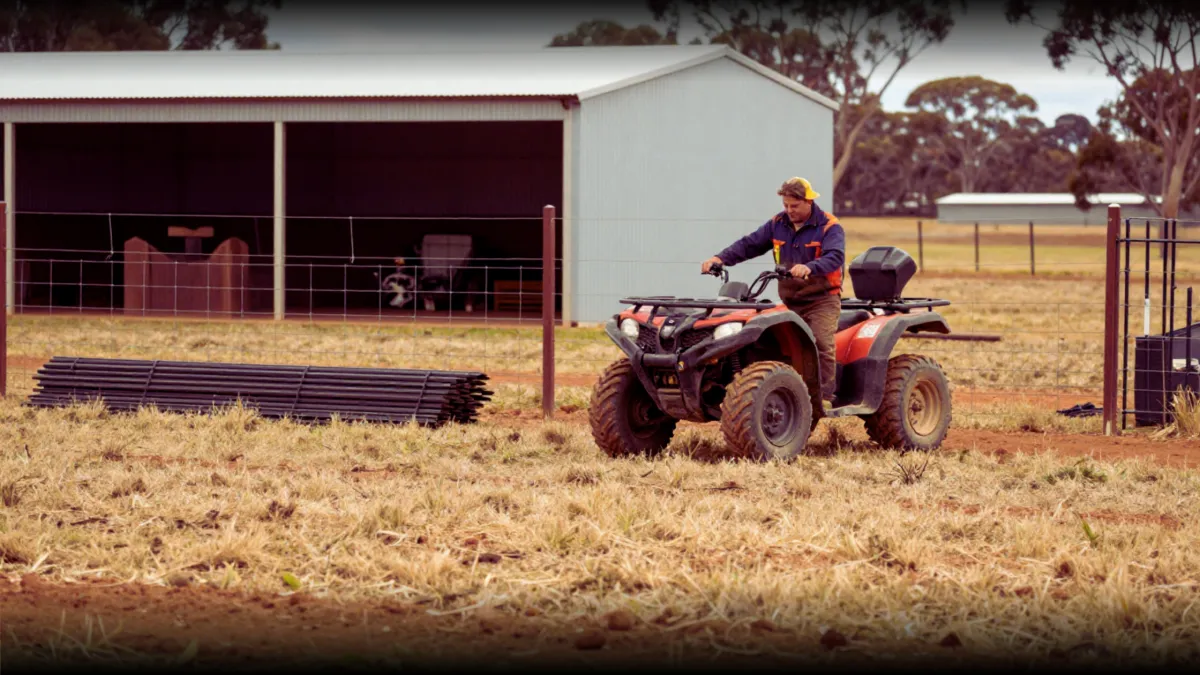
Much of the discussion has focused on quad bikes and how to reduce serious injuries and deaths. But underneath the technical talk about equipment, controls, and rules sits a bigger issue.
Culture.
And while the headlines may be about farms, the same cultural barriers show up every day in construction.
If we don’t deal with those barriers, no amount of new guidance, technology, or paperwork will shift the dial.
Because one of the biggest risks in any high-risk industry is not always the hazard itself.
It’s when that hazard becomes normal.
The Real Issue Isn’t Just the Equipment
Quad bikes don’t create risk in isolation.
Neither do ladders, scaffolds, plant, conveyors, or power tools.
The risk comes from how equipment is selected, used, maintained, supervised, and worked around.
That is where culture shows up.
When a workforce starts believing:
“We’ve always done it this way”
“It’s part of the job”
“It’ll only take a minute”
“That’s never caused a problem before”
“The paperwork is just there to keep someone happy”
… safety progress slows down.
And this isn’t about blaming workers.
Cultural resistance often starts higher up.
In how leaders talk about safety, what they walk past, what they reward, and what they allow to become routine.
The “Tough Industry” Mindset
Both farming and construction pride themselves on being tough industries.
Hard work.
Long days.
Getting the job done.
There’s nothing wrong with resilience.
But when toughness turns into normalising risk, we’ve got a problem.
In construction, this can sound like:
“He’s been working at heights for 20 years”
“We don’t need all that gear on small jobs”
“The crew knows what they’re doing”
“We’re only doing it quickly”
Experience doesn’t remove risk.
Short duration doesn’t remove risk.
Confidence doesn’t remove risk.
Culture shapes how people think about those risks and whether they feel comfortable challenging them.
When Safety Is Seen as Outside Interference
Another barrier is the belief that safety reform is something being done to the industry rather than with it.
When changes are framed as external pressure, people naturally push back.
But improving safety in construction isn’t about pleasing regulators.
It’s about protecting workers, business owners, families, projects, and livelihoods.
If a serious incident shuts down a job, triggers an investigation, damages reputation, or leaves someone unable to work, the impact is real.
Regardless of anyone’s opinion about the rule that was meant to prevent it.
The same lesson applies across industries.
A hazard that looks like “someone else’s problem” can often exist much closer than we think. We've explored this in The Conveyor Risk Most Sites Overlook — And Why It’s Not Just a Factory Problem.
The Gap Between Knowing and Doing
Most construction businesses already know the obvious risks.
They know working at heights is dangerous.
They know poorly maintained plant causes incidents.
They know fatigue contributes to mistakes.
They know poor supervision creates gaps.
The challenge isn’t always awareness.
It’s consistency.
Culture shows up in whether:
Pre-starts are rushed or meaningful
Supervisors challenge unsafe shortcuts in real time
Workers feel safe speaking up
Managers follow the same rules as the crew
Near misses are discussed openly or quietly brushed aside
A site can look organised on the surface and still carry hidden risk underneath, something we explored further in The Sites That Looked Safest Sometimes Worried Me the Most.
That is why safety reform cannot rely on appearance alone.
It has to reach the behaviours, decisions, and assumptions underneath.
Culture Is Leadership, Not Posters
You can’t change culture with a toolbox talk once a month.
And you can’t fix normalised risk with a slogan.
Culture shifts when leaders consistently model the behaviours they expect.
That means:
Unsafe shortcuts are corrected early
Supervisors are supported to lead, not just push production
Concerns are treated seriously
Workers see action after they speak up
The same expectations apply whether the job is large, small, urgent, or routine
If leading hands and supervisors see safety as a delay, that mindset flows straight through the workforce.
If they treat safety as part of doing the job properly, that becomes the standard.
Active safety cultures are built through everyday decisions, not one-off campaigns, a theme also reflected in 5 Unexpected Truths About Site Safety - Lessons from the Scaffold Vigilance Protocol.
What This Means For You
Whether you run a small trade crew or manage multiple projects, cultural barriers will exist somewhere in your business.
The question is whether you are actively addressing them or unknowingly reinforcing them.
A practical way to start is to pressure-test the habits your business has normalised.
Ask:
What do we walk past because “that’s just how the job runs”?
Where do we rely on experience instead of controls?
What risks get discussed only after something goes wrong?
Are supervisors confident enough to stop unsafe work?
Are workers encouraged to speak up, or expected to keep things moving?
Do our systems match how work is actually happening on site?
If the honest answer to some of those questions is uncomfortable, that’s not failure.
That’s useful information.
That is where improvement starts.
A Simple Action Checklist
You don’t need sweeping reform to shift culture.
Start with steady leadership behaviour.
Review one high-risk task and ask whether the controls are actually being followed
Walk the site and look for shortcuts that have become routine
Ask workers where the job regularly forces them to improvise
Check whether pre-starts are discussing real conditions, not generic topics
Make sure supervisors know they are expected to challenge unsafe work
Treat near misses as learning opportunities, not paperwork problems
Follow up visibly when safety concerns are raised
These steps are not complicated.
But they require consistency.
And consistency is where culture changes.
The Bottom Line
Industries don’t improve safety just because new guidance is released.
They improve when leaders decide that “how we’ve always done it” is not good enough anymore.
Agriculture and construction may look different on the surface.
But both show the same lesson:
When risk becomes normal, people stop seeing it clearly.
Construction doesn’t need more slogans.
It needs practical leadership at ground level.
It needs supervisors who challenge shortcuts.
Workers who feel safe speaking up.
And businesses willing to look honestly at the habits they have allowed to settle in.
If you want to strengthen safety culture on your sites, start with behaviours, not just paperwork.
If you’re unsure where cultural resistance might be sitting in your business, get in touch with Synergy Safety Solutions for a practical conversation.