




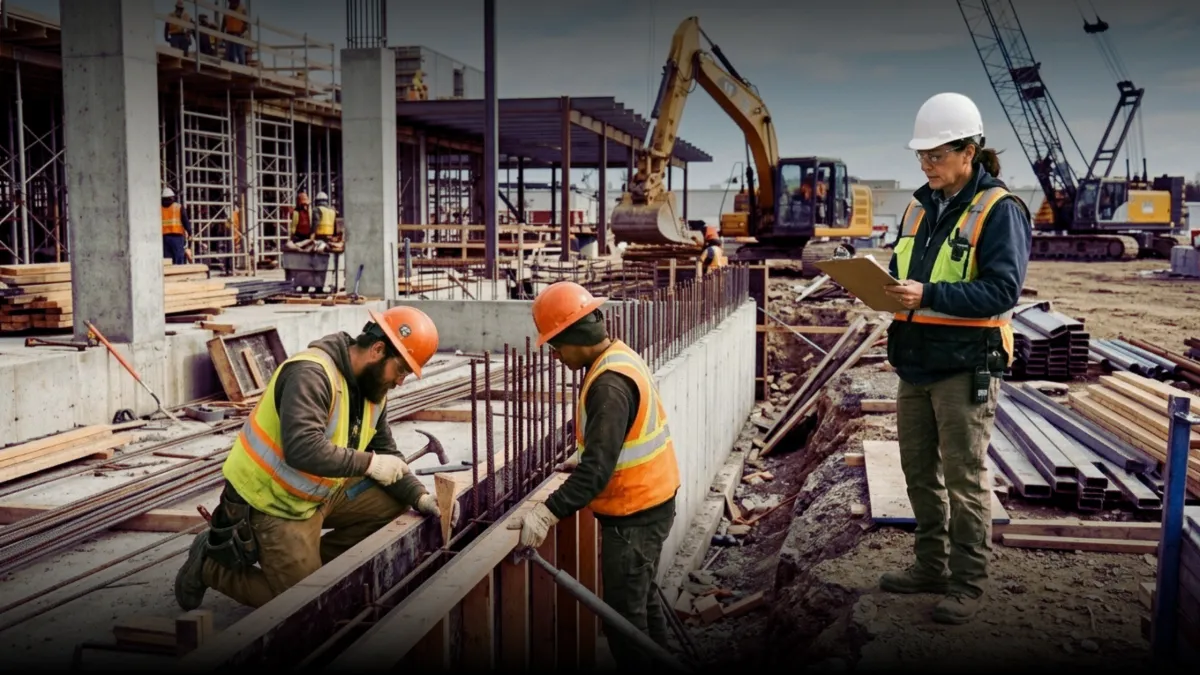
Professional Sport Is a Workplace — And So Is Yours
When we watch professional sport, we see performance.
What we don’t always see is that it’s also a workplace.
A recent situation involving AFL player Elijah Hollands and his mental health has sparked public discussion. Most commentary focuses on performance, discipline, or club decisions.
From a WHS point of view, there’s another lens.
Elite athletes are workers.
Clubs are employers.
And psychological health is part of workplace health and safety.
In high-performance environments, there’s often an assumption that pressure is part of the job, and that changes the standard.
From a WHS perspective, it doesn’t.
This isn’t just a sports issue. It applies directly to construction, civil, mining, and every other industry across Australia.
Elite Performance Doesn’t Remove Employer Responsibility
Professional athletes operate in high-pressure environments:
Constant performance scrutiny
Media attention
Internal competition
Public criticism
Risk of career-ending injury
That pressure doesn’t cancel WHS duties.
If anything, it increases the importance of managing psychosocial risk.
The same principle applies in construction.
Just because someone earns good money.
Just because they’re experienced.
Just because “that’s the industry.”
None of that removes an employer’s obligation to provide a work environment that supports psychological as well as physical health.
The Shift in WHS Expectations
Over the past few years, psychosocial hazards have become a clearer part of WHS responsibility.
We’re not just talking about serious mental illness.
We’re talking about workplace factors such as:
Excessive workload
Poor supervision
Bullying or exclusion
Fatigue
Poorly managed conflict
Lack of role clarity
Unrealistic deadlines
In construction, these are often brushed off as “just part of the job.”
But sustained exposure to poorly managed psychosocial hazards can contribute to harm — just like unsafe plant or poor traffic management.
Whether it’s an AFL club or a construction company, employers are expected to identify risks, assess them, and take reasonable steps to manage them.
Performance Culture vs Safety Culture
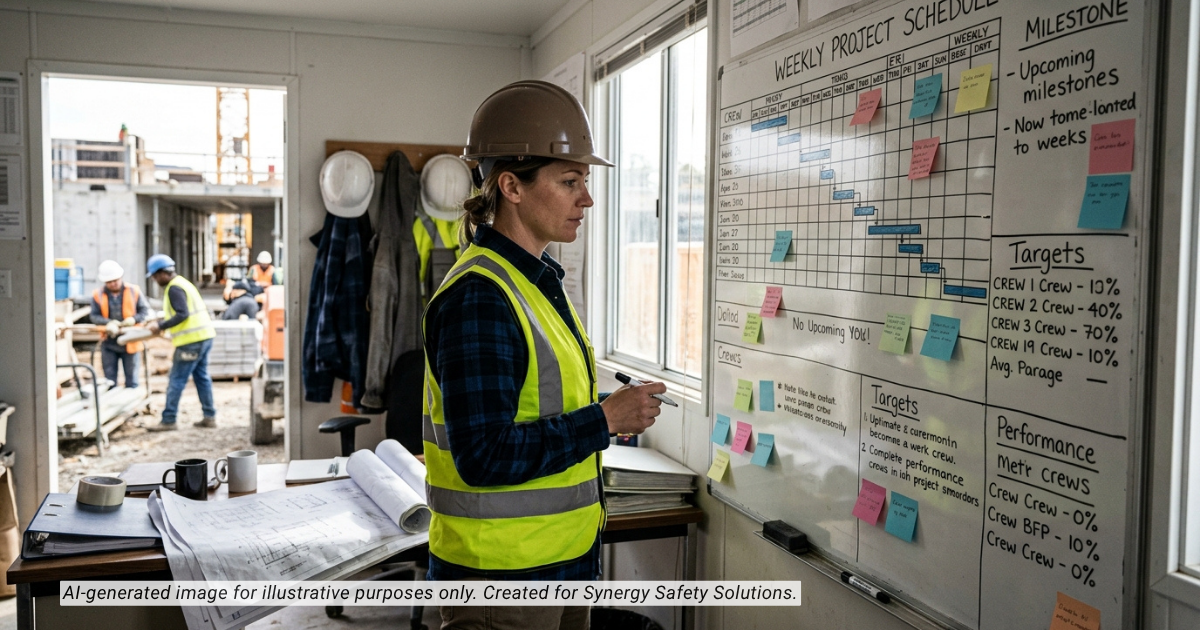
High-performance environments often rely on pressure.
Sport does. Construction can too.
Deadlines. Budgets. Liquidated damages. Subcontractor coordination. Weather delays. Labour shortages.
Pressure itself isn’t automatically unsafe.
The risk appears when pressure is unmanaged, compounded, and unsupported.
One of the common mistakes in construction is assuming that “toughness” equals resilience.
Being tough doesn’t mean:
Ignoring warning signs
Working people into exhaustion
Accepting toxic behaviour from high performers
Treating mental health concerns as weakness
A safe workplace doesn’t remove performance expectations.
It balances them with realistic systems and support, something we've explored further in Why Leadership Empathy Is Not Enough to Prevent Psychosocial Harm.
What This Means for You
If you run or manage a construction business, the expectation is simple:
Psychological health sits alongside your physical safety responsibilities.
You don’t need to turn your site into a counselling office.
But you do need to recognise that job design, leadership behaviour, and workplace systems affect mental health.
The key questions are:
Are workloads realistic?
Are supervisors trained to recognise early signs of stress?
Is poor behaviour dealt with consistently, even from high performers?
Are return-to-work processes supportive, not punitive?
Do workers feel safe raising issues?
These questions tie directly back to how work is structured, not just how people cope, as discussed in Burnout Isn’t Just Personal. It’s a Work Design Issue.
Practical Action Checklist
Start here:
Review workloads and rosters for fatigue risk, not just productivity
Train supervisors to identify psychosocial hazards
Include psychological health in risk assessments and site discussions
Act early on conflict, bullying, or behavioural issues
Check that support services are known and accessible
Make it clear that raising concerns won’t damage someone’s position
System decisions, especially around scheduling and resourcing, shape how pressure is experienced on-site.
We've outlined this in detail in Your Roster Software Could Be a WHS Hazard.
It’s About Leadership, Not Headlines
When situations in professional sport become public, they create short-term attention.
In construction, issues often stay quiet, until they turn into:
Workers’ compensation claims
Formal complaints
Regulator involvement
Staff turnover
Declining morale and productivity
By then, you’re reacting.
The stronger approach is to treat psychosocial health like any other safety risk:
Visible.
Managed.
Built into everyday leadership.
If elite sporting organisations must treat players as workers under WHS duties, construction businesses should hold themselves to the same standard.
Pressure might be part of the job.
Harm doesn’t have to be.
If you’d like support reviewing how psychosocial risk is managed in your business, get in touch with Synergy Safety Solutions for a practical review of your systems.