



The Sites That Looked Safest Sometimes Worried Me the Most
When people think about dangerous construction sites, they usually picture obvious problems.
Poor housekeeping.
Missing PPE.
Visible hazards everywhere.
Chaos.
And yes... those sites absolutely carry risk!
But one thing experienced safety professionals often notice over time is this:
The sites that look safest on the surface aren’t always the ones with the healthiest safety systems underneath. Sometimes the opposite is true.
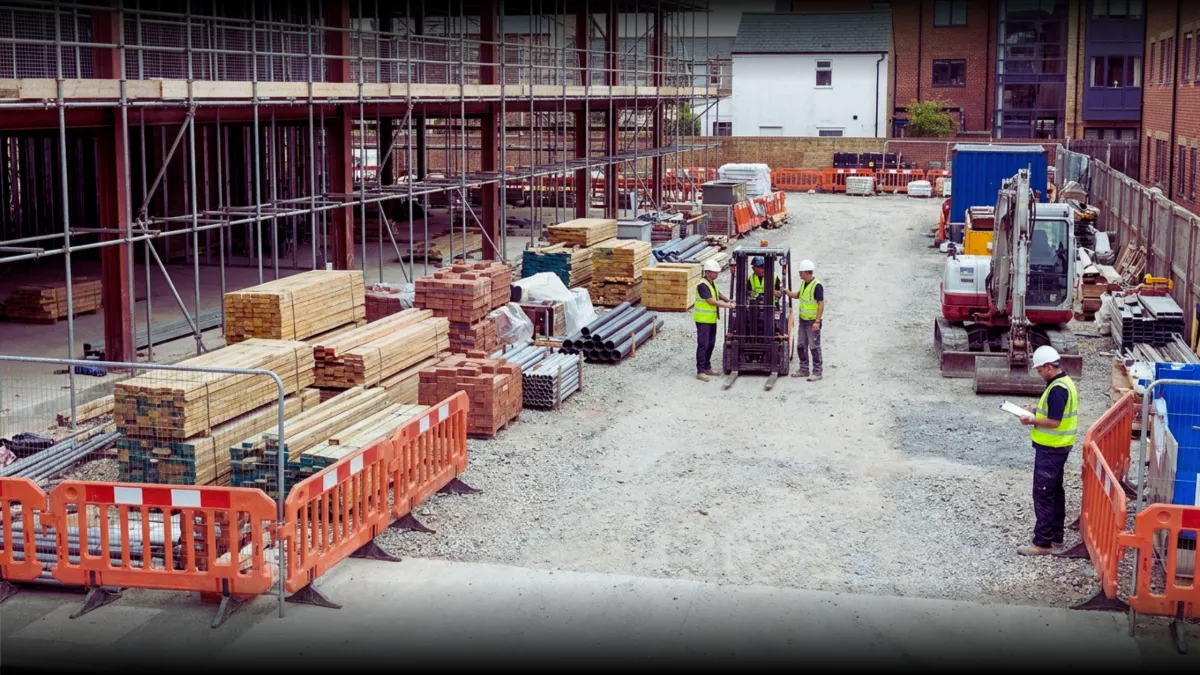
A site can appear organised, polished, and compliant while still carrying hidden risks that are harder to spot, because everyone assumes things are under control.
That’s where complacency can quietly build.
When Appearance Becomes a Blind Spot
A tidy site is important.
Clear walkways, organised materials, good housekeeping, and visible systems all matter. They reduce risk and usually reflect effort from the team.
But appearance alone doesn’t tell you:
whether workers feel comfortable speaking up
whether supervisors are overloaded
whether shortcuts have become normal
whether people are rushing to recover lost time
whether procedures are actually being followed in practice
Some sites become very good at looking compliant.
That’s different from actively managing risk.
The Risk of “Nothing Has Happened Here Before”
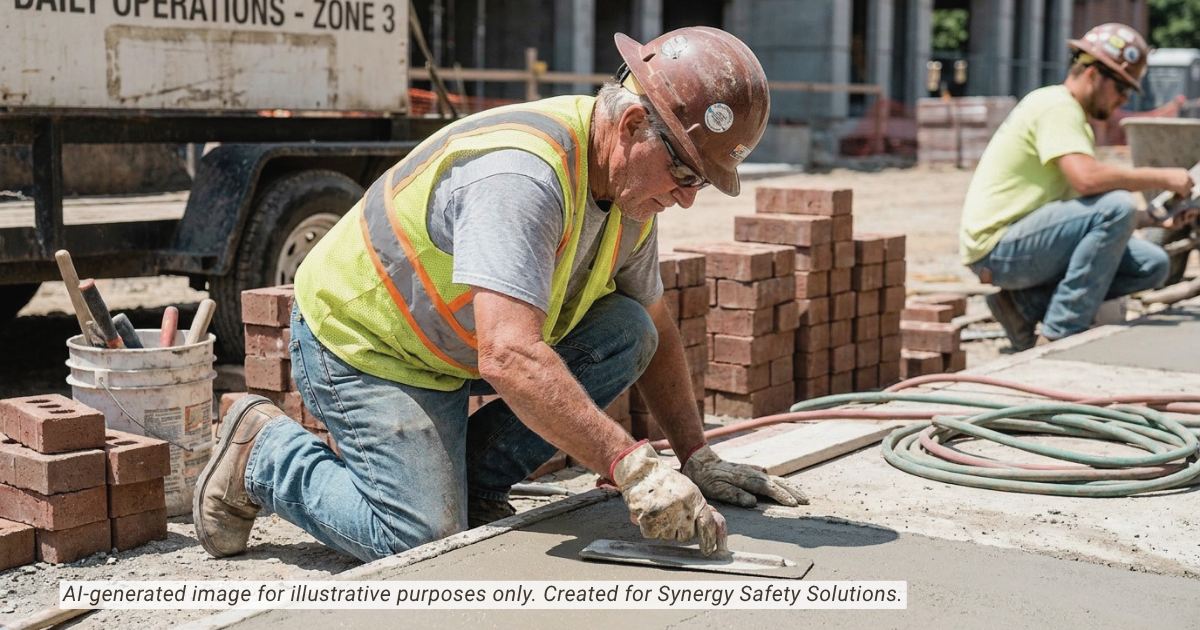
One of the most common warning signs on long-running projects is overfamiliarity.
The longer work continues without a serious incident, the easier it becomes for assumptions to replace active thinking.
You start hearing things like:
“We’ve always done it this way.”
“That’s never caused a problem before.”
“Everyone knows the process.”
Not because people are careless.
Usually, it’s the opposite.
People become comfortable and comfort can reduce vigilance.
Controls that were once checked carefully become automatic.
Conversations become shorter.
Small deviations stop being questioned.
Not all at once.
Just gradually.
Why Some Busy Sites Feel More Alert
Interestingly, some of the busiest and most challenging sites can also feel the most operationally aware.
Not because they’re safer by default.
But because the risks are obvious enough that people stay engaged with them.
You often see:
more active communication
clearer coordination between trades
supervisors visibly involved in the work
hazards being discussed in real time
teams constantly adjusting controls as conditions change
There’s less assumption.
People know the environment demands attention.
That ongoing awareness matters.
Safety Drift Rarely Looks Dramatic
One of the challenges in construction is that safety decline rarely arrives in a dramatic way.
It usually shows up in small operational shifts:
inspections becoming rushed
permits signed without proper review
housekeeping slipping at the end of long weeks
plant interactions becoming “normal”
workers solving problems informally instead of escalating them
supervisors carrying too many responsibilities at once
Individually, these things can seem minor.
But over time, they create drift.
And drift is difficult to notice when the site still looks organised.
Paperwork Doesn’t Always Reflect Reality
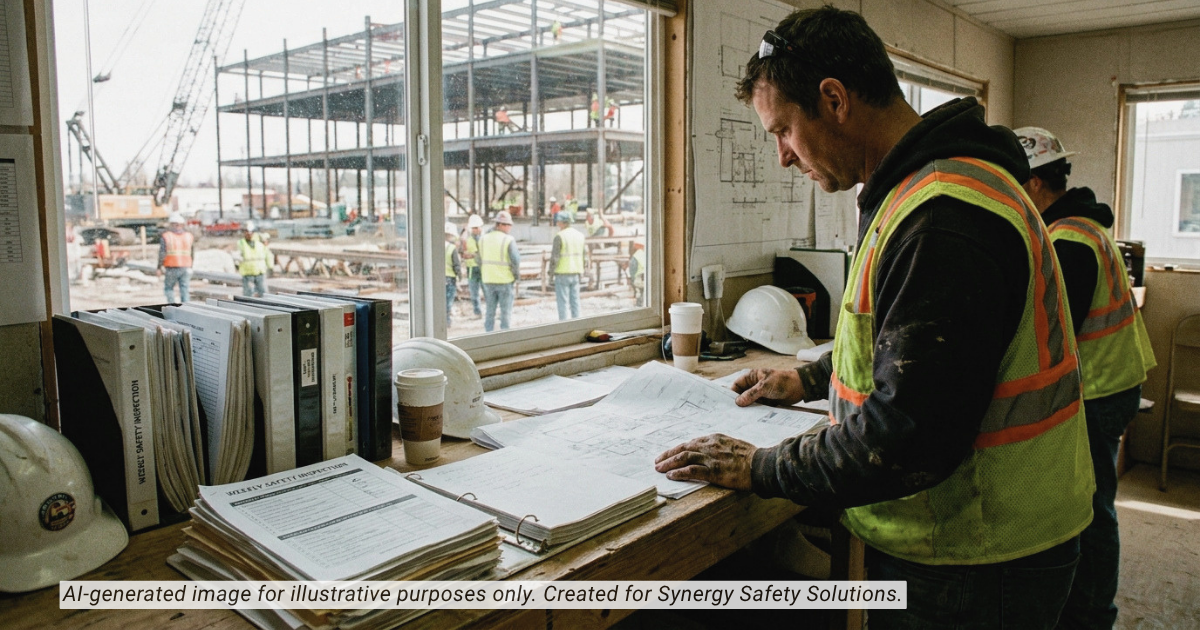
Another common trap is assuming that strong documentation automatically means strong risk control.
Good systems matter.
Documentation matters.
But paperwork only reflects reality if it matches how work is actually happening on site.
You can have:
detailed SWMS
signed pre-starts
completed checklists
polished reporting systems
…while still having workers making rushed decisions under pressure.
The real test is whether controls remain active once the paperwork is finished.
What This Means for Construction Leaders
For business owners, project managers, and supervisors, this isn’t about becoming suspicious of every tidy site.
It’s about understanding that visible order is only one part of the picture.
The stronger question is: What’s happening underneath the presentation?
Are people still questioning unsafe conditions?
Are supervisors present and engaged?
Are workers speaking up early?
Are systems being actively followed or simply assumed?
Because mature safety systems rely on continuous attention, not just appearance.
Practical Questions Worth Asking
If you want a more accurate picture of how your site is functioning, ask practical questions like:
What issues are people hesitant to raise?
Where are workers adapting processes informally?
What tasks are becoming overly familiar?
Are supervisors stretched too thin to properly verify work?
What controls are treated as routine rather than actively checked?
Where has urgency started replacing planning?
Those conversations often reveal more than a perfectly organised site ever will.
Looking Safe and Being Safe Aren’t Always the Same Thing
Construction businesses should absolutely aim for organised, well-run sites.
But strong safety performance goes deeper than presentation.
It lives in:
communication
verification
supervision
active thinking
willingness to challenge assumptions
and how people respond when conditions change
Because sometimes the greatest risk on site isn’t visible disorder.
It’s the quiet belief that everything is already under control.
If you’d like support reviewing how your safety systems are functioning beyond paperwork and presentation, get in touch with Synergy Safety Solutions for a practical conversation.